

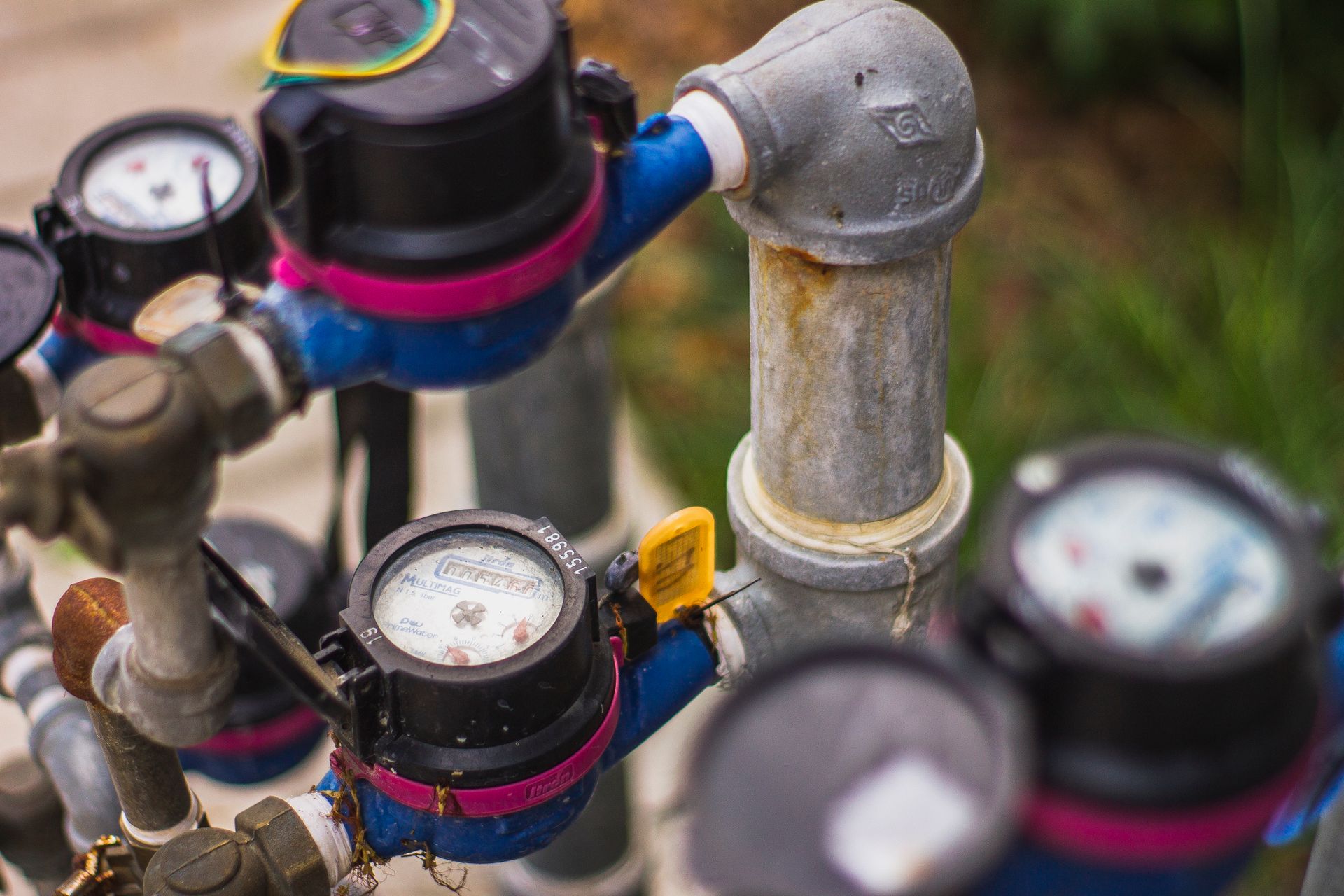
Summer is the season when homeowners tackle outdoor projects and routine maintenance. As sprinkler systems, pools, and outdoor faucets return to use, water demand increases and can create conditions that lead to backflow issues. Taking steps to prevent backflow helps protect your drinking water supply and keep your plumbing system operating safely.
When sprinkler systems, pool equipment, and outdoor faucets are reactivated after months of inactivity, the potential for contamination can increase. At Route 66 Plumbing, we encourage homeowners to stay proactive with seasonal inspections and maintenance. Addressing potential issues early can help protect your water quality and keep your plumbing system running safely throughout the summer months.
Defining Backflow Issues in Residential Systems
Backflow prevention devices help protect your home’s drinking water from contamination. With regular testing, proper installation, and timely repairs from Route 66 Plumbing, you can keep your system operating safely and enjoy peace of mind year-round. Contact us today to schedule service or learn more.
Plumbers categorize these hazardous reversals into two distinct hydraulic phenomena:
- Backsiphonage: This happens when a sudden drop in municipal main line pressure creates a vacuum within the piping network. Much like liquid pulled upward through a drinking straw, this vacuum sucks dirty water from external sources right into your clean home pipes.
- Backpressure: This occurs when a downstream system creates a higher level of force than the incoming water supply line. This extra force pushes non-potable substances backward past the safety boundary.
Backflow can expose your household to harmful contaminants such as bacteria, fertilizers, and dirty water, making prevention and early detection important for protecting your water supply.
Why Summer Triggers Heightened Plumbing Vulnerability
Summer often brings a sharp increase in water use as homeowners turn on sprinkler systems, fill pools, and tackle outdoor projects. This sudden demand can cause pressure fluctuations in local water lines, increasing the risk of backflow.
At the same time, garden hoses connected to chemical sprayers and winter-damaged irrigation components can create hidden hazards. A drop in water pressure may allow contaminants to enter your drinking water supply, making seasonal inspections an important part of protecting your home’s water quality.
The True Cost of Household Cross-Contamination
Ignoring backflow risks can lead to costly repairs and potential code violations. In some cases, contamination from a faulty plumbing or irrigation system can affect nearby water supplies, making prevention and timely maintenance especially important.
Beyond the regulatory headaches, structural contamination events cause severe property damage. Chemical-laden water or dark sediment circulating through household appliances can ruin water heaters, destroy internal clothes washer seals, and ruin expensive dishwashers. Replacing these internal components or committing to full home repiping services because of a single systemic contamination event is far more expensive than routine preventative maintenance. If your lines are deeply compromised, calling a certified plumber is necessary to clear out old debris.
One of the biggest dangers of backflow is the potential impact on your family’s health. When contaminants enter a drinking water system, they can expose homeowners to bacteria, chemicals, and other harmful substances that may cause illness. The U.S. Environmental Protection Agency (EPA) emphasizes the importance of preventing cross-connections to protect public water supplies. Learn more on the EPA’s Cross-Connection Control page.
According to the Centers for Disease Control and Prevention (CDC), contaminated water can contribute to a variety of health concerns, including gastrointestinal illnesses and skin irritation. That’s why addressing backflow issues promptly is an important step in keeping your household’s water safe and clean.
Mechanical Defense: How Prevention Devices Keep You Safe
Backflow prevention devices help keep contaminated water from entering your home’s clean water supply when pressure changes occur. The right device for your property depends on your plumbing system, potential contamination risks, and local code requirements, but all serve the same important purpose, protecting your family’s water quality.
- Reduced Pressure Zone (RPZ) Assembly
An RPZ assembly provides the highest level of protection against backflow. It uses multiple valves to prevent contaminated water from entering the potable water supply and is often used for high-risk applications involving chemicals or irrigation systems. - Pressure Vacuum Breaker (PVB)
A pressure vacuum breaker is commonly installed on residential sprinkler systems. It helps prevent backsiphonage, which can occur when a sudden drop in water pressure causes contaminated water to be drawn into the drinking water system. - Double Check Valve Assembly (DCVA)
A double check valve assembly contains two internal check valves that work together to prevent reverse water flow. It is typically used in lower-risk applications where the likelihood of contamination is minimal.
Like any mechanical device, backflow prevention assemblies can wear down over time due to mineral buildup, debris, and everyday use. Annual testing and inspections help guarantee they continue working properly, protecting your home’s water supply and giving you peace of mind year-round.
Proactive Steps for Total Property Water Safety
Maintaining completely clean, reliable household water requires combining professional engineering inspections with smart daily habits. Homeowners should treat their fresh water supply as a closed, protected asset that requires consistent oversight to avoid chronic backflow issues.
Smart Daily Habits for Your Plumbing System
- Maintain Clear Air Gaps: Always keep a distinct physical distance between the rim of any tub, basin, or washing machine and the lower edge of its supply faucet. Never submerge a garden hose into a bucket of soapy water, a hot tub, or a clogged outdoor drain box.
- Install Hose Bibb Vacuum Breakers: Screw these simple, budget-friendly brass safety devices onto every outdoor spigot around your home. They provide local protection against backsiphonage right at the hose connection point, mitigating minor backflow issues.
- Disconnect Hoses When Not in Use: Do not leave pressurized garden hoses attached to exterior fixtures indefinitely, especially when using pesticide wands or chemical washing tools.
Professional Maintenance Checklist
- Schedule Annual Certified Tests: Most local water districts mandate annual testing for residential irrigation assemblies to prevent community-wide backflow issues. Make sure that your system is evaluated by a licensed technician before you fully activate your lawn sprinklers for the season.
- Inspect Plumbing Lines After Winters: Check exposed basement water lines, utility closet connections, and crawlspaces for signs of dripping or bulging that might point to hidden frost damage.
- Invest in Comprehensive Assessments: If you notice sudden, unexpected water pressure shifts across your home, call professional plumbing companies near me to rule out a broken main or a failing check valve before serious complications emerge. Finding an expert Amarillo plumber guarantees your regional soil conditions and seasonal shifts are fully factored into the diagnostic process.
Professional Resolution Options for Home Security
If you run into issues during your seasonal home inspection, taking quick action will protect your property value and your family’s health. Working with an experienced professional makes sure that your home stays code-compliant and safely isolated from regional water hazards that cause unexpected backflow issues.
Expert Backflow Repair and Mechanical Upgrades
If an inspection finds a leaking valve or stuck internal part, schedule backflow repair right away. Licensed technicians have the proper tools to test pressure, fix the issue safely, and help protect your water supply from contamination.
Certified Backflow Device Installation
If your home doesn’t have a backflow prevention device, or if an existing assembly is too worn out to function properly, a new installation may be the best solution. A licensed plumber can assess your system, recommend the right device, and guarantee it meets all local code requirements.
A properly installed backflow prevention device helps protect your drinking water from contamination and provides long-term peace of mind for your household.
Modern Household Leak Inspection Approaches
Detecting hidden sub-surface breaks or slow leaks inside walls requires advanced tools. Modern service providers use non-invasive leak detection techniques to locate structural issues without tearing up your lawn or flooring. These leaks can drop system pressure and cause localized backflow issues.
The Leak Location Strategy
The first phase involves system isolation. Technicians close main isolation valves to isolate the home’s primary supply loops from external municipal lines. This safeguards the interior lines from pressure anomalies.
The second phase centers on acoustic profiling. Using sensitive ground microphones, specialists listen for the distinct sub-surface frequencies created by escaping pressurized water.
The third phase utilizes thermal imaging. Infrared cameras track subtle temperature differences across walls and concrete pads, pinpointing hidden moisture paths without demolition. If structural damage is severe, surrounding pipe overhaul may be required to completely restore system balance.
Using these high-precision plumbing inspection techniques allows repair teams to find and fix weak points quickly, keeping your fresh water flowing safely all Summer long and protecting your home from systemic backflow issues.
Frequently Asked Questions
Backflow prevention is an integral part of protecting your home’s drinking water from contamination. Whether you’re installing a new backflow prevention device, scheduling routine testing, or dealing with a potential issue, it’s natural to have questions. Below are answers to some of the most common concerns homeowners have:
Backflow prevention devices are necessary for protecting your home’s drinking water and maintaining a safe plumbing system. Regular testing, proper installation, and prompt repairs from Route 66 Plumbing can help keep your system working as intended.
If you suspect a problem or need professional assistance, contact Route 66 Plumbing today. Our experienced team can help with water safety plumbing solutions that protect your drinking water and keep your home safe year-round.